
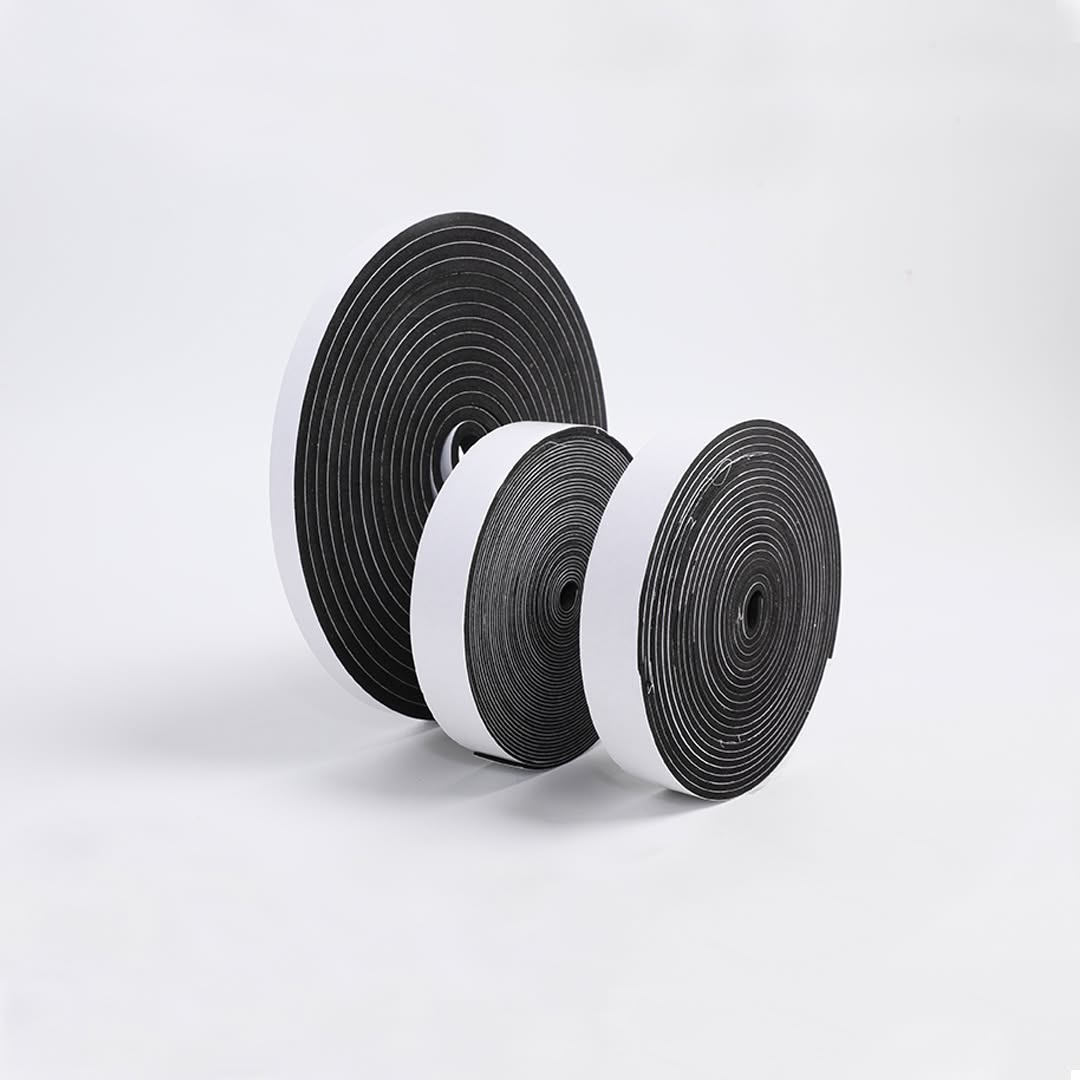
FOAM TAPE
Foam tape is a flexible sealing, bonding, cushioning, and insulation material made from a foam substrate coated with pressure-sensitive adhesive on one or both sides. Manufacturers produce foam tape using materials such as polyethylene (PE), polyurethane (PU), ethylene propylene diene monomer (EPDM), and neoprene rubber. In addition, some varieties use acrylic foam to provide strong, durable bonding between different surfaces. Consequently, foam tape serves as a practical solution for industrial sealing, construction, automotive assembly, electrical installations, and general maintenance.
Description
Technical Description of Foam Tape in Kenya
Foam tape in Kenya is a flexible sealing, bonding, cushioning, and insulation material made from a foam substrate coated with pressure-sensitive adhesive on one or both sides. Manufacturers produce foam tape using materials such as polyethylene (PE), polyurethane (PU), ethylene propylene diene monomer (EPDM), and neoprene rubber. In addition, some varieties use acrylic foam to provide strong, durable bonding between different surfaces. Consequently, foam tape serves as a practical solution for industrial sealing, construction, automotive assembly, electrical installations, and general maintenance.
Types of Foam Tape in Kenya
Different foam tape materials offer specific performance characteristics. Therefore, selecting the correct type helps ensure reliable adhesion, effective sealing, and long service life.
Polyethylene foam tape: This tape features a lightweight, closed-cell structure that resists moisture and absorbs minor vibrations. It is suitable for sealing gaps, mounting components, and cushioning surfaces.
Polyurethane foam tape: This type provides flexibility and compressibility. As a result, it suits applications that require cushioning, vibration absorption, and irregular-surface sealing.
EPDM foam tape: EPDM foam resists weathering, ozone, and moisture. Therefore, it performs well in outdoor installations, window sealing, door gaskets, and selected roofing applications.
Neoprene foam tape: This tape offers good resistance to weathering and selected oils and chemicals. It is useful for industrial equipment, enclosure sealing, and vibration control.
Acrylic foam tape: Acrylic foam tape provides strong bonding and stress distribution. Consequently, manufacturers use it for panel attachment, trim installation, and automotive assembly.
Construction and Technical Specifications
Foam tape consists of a compressible foam backing and an adhesive layer. Depending on the design, manufacturers may apply adhesive to one side or both sides. They may also supply the tape with a protective release liner that users remove before installation.
Foam tape comes in various widths, thicknesses, densities, and roll lengths. Common thicknesses include 1 mm, 2 mm, 3 mm, 5 mm, and 10 mm. However, manufacturers offer other dimensions to meet specific project requirements. Buyers should confirm the actual available sizes before ordering.
The foam structure also affects performance. Closed-cell foam limits water absorption and provides effective air and moisture sealing when properly compressed. In contrast, open-cell foam offers greater airflow and cushioning but generally absorbs more moisture unless treated or protected.
Other important specifications include adhesive type, bonding strength, compression recovery, temperature resistance, UV resistance, and chemical compatibility. Furthermore, the required specifications depend on the installation environment and the surfaces being joined.
Industrial and Commercial Applications
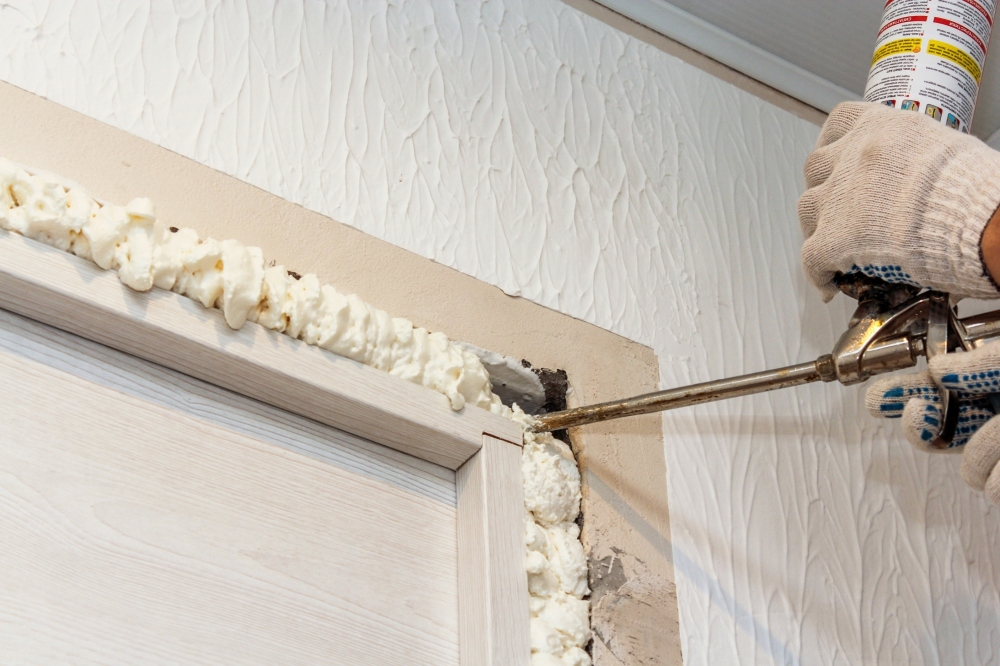
Foam tape supports several sealing and bonding applications across different industries. For example, construction professionals use it to seal window frames, door frames, joints, and selected roofing connections. Similarly, industrial maintenance teams use foam tape to reduce vibration, cushion machine components, and seal equipment enclosures.
In automotive applications, foam tape helps secure trim, reduce rattling, and seal selected panels. Meanwhile, electrical and electronics manufacturers use suitable grades to cushion components and seal enclosures against dust and moisture.
Foam tape also provides practical solutions for HVAC systems, metal fabrication, signage installation, packaging, and general assembly. However, the tape must match the required load, surface material, and environmental conditions to perform effectively.
Installation and Maintenance
Proper surface preparation improves adhesive performance. First, clean the surface and remove dust, grease, moisture, and loose particles. Next, allow the surface to dry completely. Then, measure and cut the tape to the required length before removing the release liner.
After positioning the tape, press it firmly against the surface to establish good contact. In addition, follow the manufacturer’s instructions for application pressure, temperature, and bonding time. Avoid stretching the foam during installation because excessive tension may cause shrinkage or gaps later.
Finally, inspect the finished seal for uneven contact, lifted edges, and unsealed sections. Replace damaged tape and select a more suitable grade if the installation exposes it to incompatible chemicals, excessive heat, or prolonged weathering.
Benefits of Foam Tape
Foam tape offers several practical advantages. Its flexible structure accommodates minor surface irregularities, while its compressibility supports effective gap filling. Moreover, suitable grades absorb vibration, reduce rattling, and help limit the passage of air, dust, and moisture.
Foam tape also simplifies installation because many products require no mechanical fasteners. Consequently, it can reduce installation time and provide a neat finish. Nevertheless, performance depends on the foam type, adhesive quality, surface preparation, and operating conditions.
In conclusion, foam tape provides versatile sealing, bonding, cushioning, and insulation solutions for industrial and commercial applications. By selecting the correct foam material, adhesive, thickness, and dimensions, users can improve sealing reliability, protect components, and achieve durable installation results.

Reviews
There are no reviews yet.