
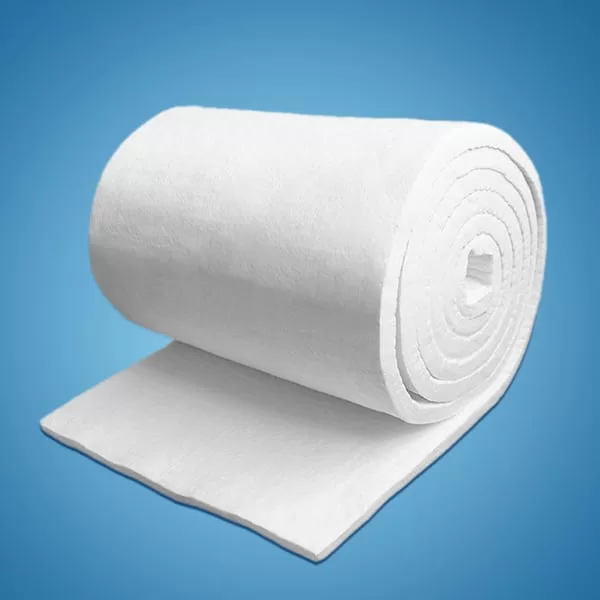
CERAMIC WOOL BLANKET KENYA
A ceramic wool blanket is a lightweight, high-temperature insulation material designed for industrial furnaces, boilers, kilns, ovens, and steam pipe systems. Manufacturers produce it from refractory ceramic fibres that provide excellent thermal insulation and resistance to extreme temperatures. Therefore, ceramic fibre blankets help reduce heat loss, protect equipment, and improve energy efficiency.
Description
Ceramic Wool Blanket: Technical Description and Industrial Applications
A ceramic wool blanket is a lightweight, high-temperature insulation material designed for industrial furnaces, boilers, kilns, ovens, and steam pipe systems. Manufacturers produce it from refractory ceramic fibres that provide excellent thermal insulation and resistance to extreme temperatures. Therefore, ceramic fibre blankets help reduce heat loss, protect equipment, and improve energy efficiency.
Moreover, ceramic wool insulation offers flexibility, making it suitable for curved surfaces, irregular equipment, and complex industrial installations. Unlike rigid insulation boards, installers can cut and shape the blanket to fit different surfaces. As a result, it provides an effective solution for industrial thermal insulation and high-temperature maintenance.
Technical Characteristics of Ceramic Wool Blanket
1. Temperature Resistance
Ceramic wool blankets withstand very high temperatures, depending on their fibre composition, density, and grade. Common commercial grades include 1,260°C and 1,430°C classifications. However, the maximum continuous operating temperature may be lower than the manufacturer’s classification temperature.
Consequently, buyers should select the appropriate grade according to the actual operating temperature and service conditions. They should also consider heat cycling, chemical exposure, and the temperature of the surface being insulated.
2. Density and Thermal Insulation
Ceramic fibre blankets are available in different densities, commonly ranging from 64 kg/m³ to 160 kg/m³. Some manufacturers also offer higher-density grades for specialised applications.
Higher density can improve handling strength and resistance to air movement. However, it does not automatically guarantee better insulation performance. Therefore, engineers should compare thermal conductivity, operating temperature, and the intended application before selecting a product.
3. Standard Dimensions and Thickness
Manufacturers supply ceramic wool blankets in rolls, allowing installers to cut the required lengths on site. Common commercial dimensions include:
| Specification | Typical options |
|---|---|
| Roll width | 600 mm or 610 mm |
| Roll length | 3,600 mm to 7,200 mm, depending on thickness and density |
| Thickness | 12.5 mm, 25 mm, 50 mm and 75 mm |
| Density | 64, 96, 128 and 160 kg/m³ |
| Temperature classification | 1,260°C and 1,430°C grades |
These dimensions represent common market options rather than universal standards. Actual sizes and available grades vary by manufacturer. Therefore, confirm the product data sheet before ordering.
4. Thermal Conductivity
Ceramic fibre blanket provides low thermal conductivity, which limits heat transfer through insulated surfaces. For example, one commercially available 96 kg/m³ blanket lists thermal conductivity of approximately 0.045 W/m·K under its specified test conditions. However, thermal conductivity increases as temperature rises. Therefore, engineers should use temperature-specific data when calculating insulation thickness and heat loss.
5. Chemical Composition and Stability
Standard ceramic wool blankets mainly contain aluminium oxide (Al₂O₃) and silicon dioxide (SiO₂). Manufacturers also produce specialised grades containing zirconium dioxide (ZrO₂) to improve high-temperature performance.
Furthermore, these materials provide good resistance to many industrial environments. However, strong acids, alkalis, and certain chemical vapours can affect their performance. For this reason, always confirm chemical compatibility before installation.
6. Flexibility and Mechanical Strength
Ceramic fibre insulation combines low weight with flexibility. Consequently, technicians can wrap it around boilers, exhaust ducts, steam pipes, and furnace walls. They can also cut it into sections for equipment repairs.
Nevertheless, ceramic wool blanket does not have the same mechanical strength as rigid refractory bricks. Installers should therefore protect it against abrasion, compression, and direct mechanical damage. Depending on the application, they may use stainless steel mesh, metal cladding, anchors, or protective casings.
7. Industrial Applications of ceramic wool blanket
Ceramic wool blankets serve several industrial insulation requirements. For example, they provide thermal insulation in:
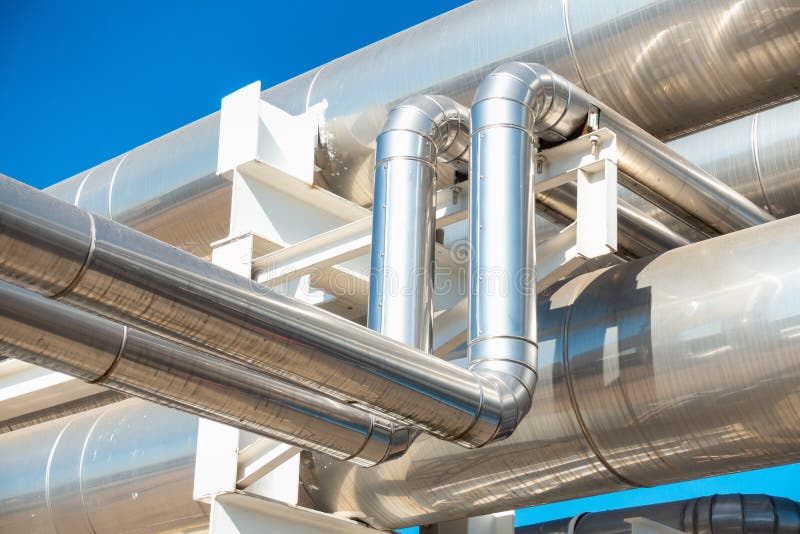
Industrial boilers and steam pipe systems.
Furnaces, kilns, and heat treatment equipment.
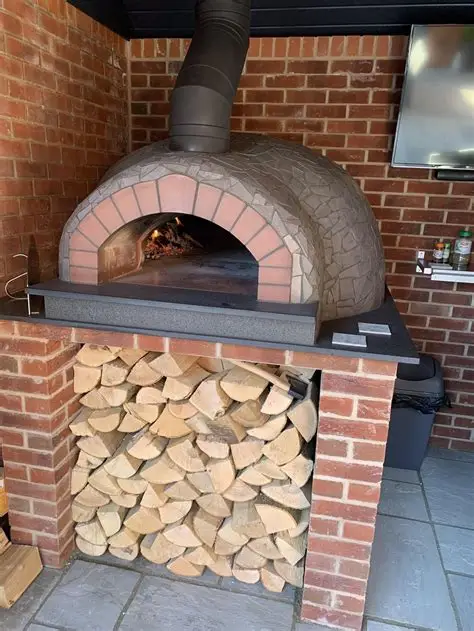
Pizza ovens and other high-temperature ovens.
Industrial exhaust ducts and heat exchangers.
Cement plants and metal processing facilities.
Furnace doors and refractory backup linings.
As a result, businesses can reduce heat loss, protect surrounding equipment, and improve temperature control.
8. Installation and Safety Requirements of ceramic wool blanket
Before installation, technicians should inspect the surface and select the correct blanket thickness and density. Next, they should cut the material accurately and secure it using suitable high-temperature fixing systems. They should also protect exposed insulation where necessary.
However, conventional refractory ceramic fibres can release airborne fibres during cutting and handling. Therefore, workers must follow the manufacturer’s safety data sheet and use appropriate protective clothing, respiratory protection, and dust-control measures. Consider low-biopersistence alternatives where suitable.
Selecting the Right Ceramic Wool Blanket
When purchasing ceramic wool blanket in Kenya, consider the operating temperature, insulation thickness, density, roll dimensions, thermal conductivity, and chemical environment. In addition, request the manufacturer’s technical data sheet and safety data sheet before placing an order.
Reviews
There are no reviews yet.