
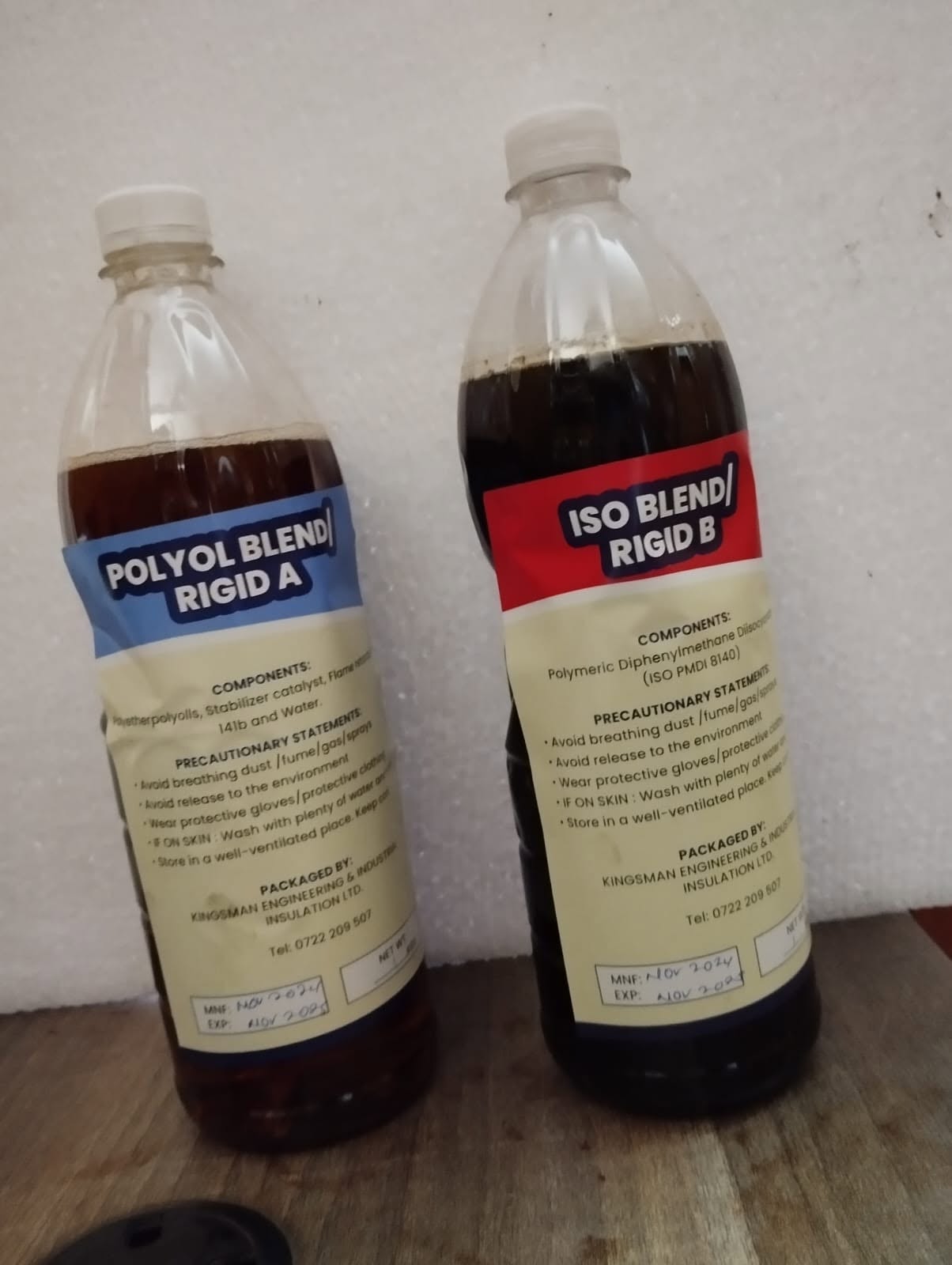
PU foam/Polyurethane Foam.
Polyurethane (PU) Foam – Technical Description
Polyurethane (PU) foam is a cellular polymeric material produced by reacting polyols with isocyanates in the presence of catalysts, blowing agents, surfactants and other additives. The reaction generates a foam structure consisting of interconnected or closed cells, providing excellent thermal insulation, acoustic absorption, cushioning and sealing properties.
Description
Polyurethane (PU) Foam in Kenya for Construction and Insulation
Polyurethane (PU) foam in Kenyais a versatile polymer-based material produced by reacting polyols with isocyanates to form a lightweight cellular structure. It provides excellent thermal insulation, sound absorption, cushioning, sealing and gap-filling properties, depending on its formulation and density. Moreover, PU foam is available in flexible and rigid forms to suit different industrial, commercial and construction applications. Flexible PU foam is commonly used in furniture cushioning, packaging and protective padding, while rigid PU foam provides effective insulation in buildings, refrigeration systems, cold rooms and industrial equipment. Additionally, expanding PU foam fills gaps around pipes, windows, doors and wall penetrations, thereby reducing air leakage and improving energy efficiency. Its strong adhesion to compatible surfaces also makes it useful for sealing joints and cavities. However, users should select the appropriate foam grade according to temperature exposure, moisture conditions, fire performance and chemical compatibility. Furthermore, proper surface preparation and application help achieve reliable results, while suitable protective equipment ensures safe handling during installation.
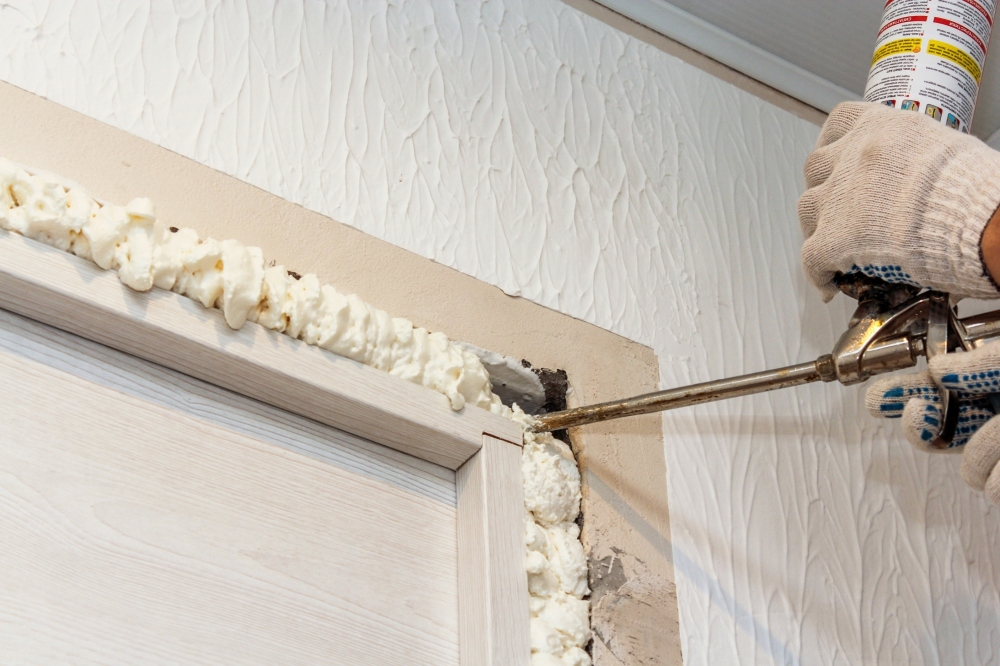
In Kenya, contractors commonly use expanding PU foam around windows and doors. It fills spaces between frames and walls. As a result, it helps reduce air leakage and unwanted drafts. Furthermore, it provides useful thermal and acoustic insulation.
PU foam also works well around service openings. For example, it can fill gaps around pipes, cables, conduits, and ducts. Consequently, it helps create cleaner and more secure installations. Moreover, its expansion allows it to reach irregular cavities.
Another important use involves window and door frame installation. The foam expands inside the cavity and supports effective gap filling. Additionally, it can help improve insulation around the frame. This makes it useful for residential, commercial, and industrial projects.
For construction and maintenance, PU foam sealant offers several benefits. It provides lightweight filling and useful insulation. Also, it adheres to many common building surfaces. However, surface compatibility should always be checked before application.
PU foam can also support pipe insulation and HVAC applications. It helps close unwanted openings around suitable installations. Furthermore, it can reduce heat transfer and air movement through gaps.
Applications


Reviews
There are no reviews yet.