
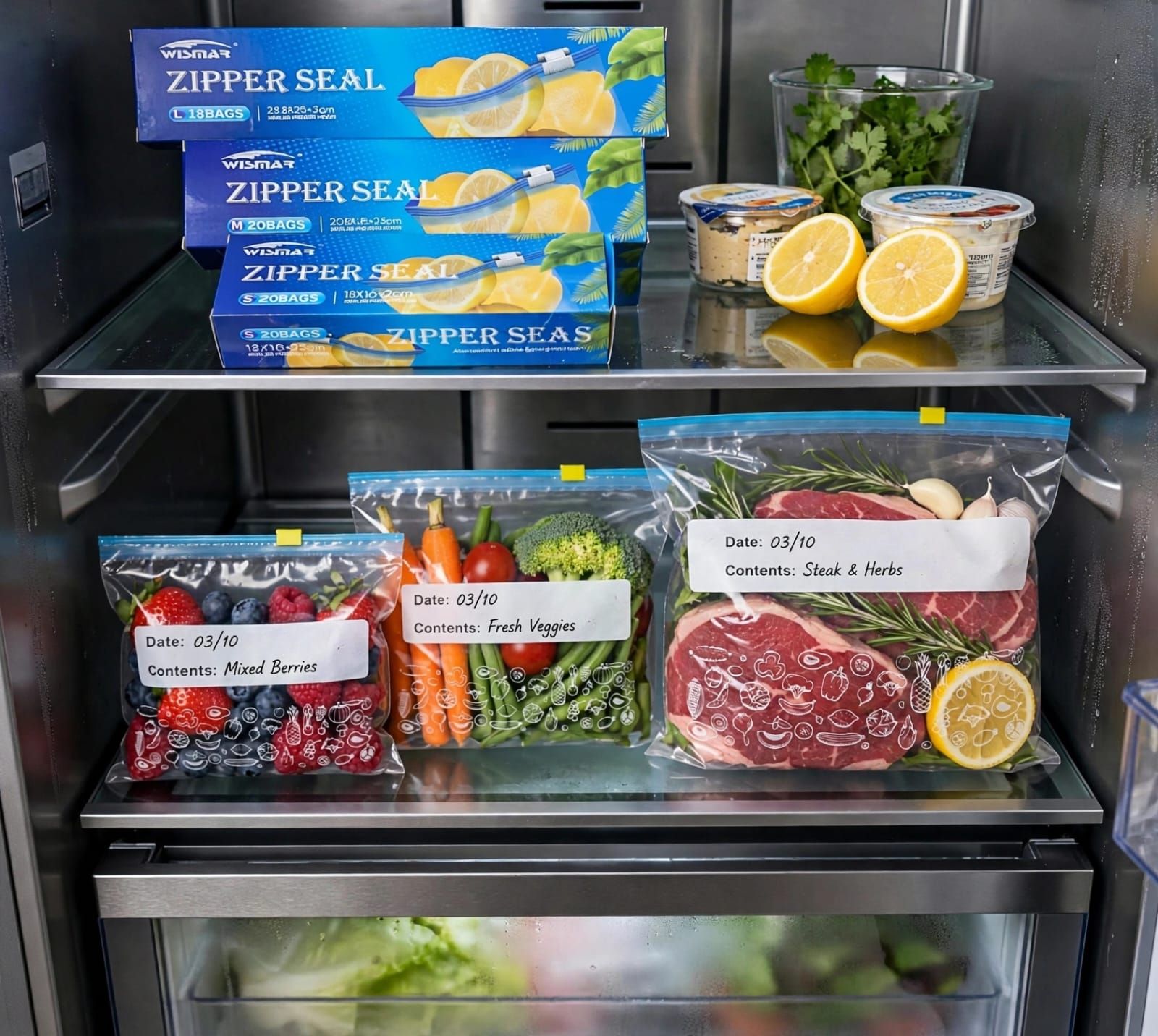
Ziplock Freezer Bags
Durable ziplock freezer bags provide convenient food storage and preservation for meat, vegetables, fruits, seafood and other ingredients. Featuring a resealable closure and flexible freezer-grade plastic construction, these bags suit hotels, restaurants, butcheries, supermarkets and household applications.
Description
Ziplock Freezer Bags – Durable Food Storage and Freezing Solutions
Ziplock freezer bags provide a convenient, hygienic and reliable solution for storing, preserving and transporting food products. Manufacturers design these bags with flexible, durable plastic material and a secure resealable closure that helps protect food from moisture, air exposure, spills and external contamination. Consequently, households, hotels, restaurants, supermarkets, catering businesses and food-processing facilities use ziplock freezer bags to organise and preserve different food products.
Material Composition and Construction
Manufacturers commonly produce ziplock freezer bags from low-density polyethylene (LDPE) or linear low-density polyethylene (LLDPE). These materials provide flexibility, toughness and resistance to tearing. Additionally, their construction allows users to handle different food products without easily damaging the packaging.
Unlike ordinary storage bags, freezer-grade ziplock bags feature material thickness designed to withstand freezing conditions. Therefore, they help reduce the risk of punctures, leakage and freezer burn when users store food correctly.
Furthermore, manufacturers incorporate an integrated interlocking closure along the upper edge. This mechanism creates a resealable seal when users press the two sides together. As a result, users can open and close the bags repeatedly without requiring additional clips, tapes or sealing equipment.
Key Features of Ziplock Freezer Bags
Resealable closure: The interlocking zipper mechanism allows convenient opening and secure reclosing.
Freezer-resistant construction: Freezer-grade plastic maintains flexibility under low-temperature storage conditions.
Moisture protection: The closed seal helps minimise moisture exchange and protects stored food from external moisture.
Flexible material: The polyethylene construction accommodates different food shapes and quantities.
Transparent design: Clear plastic allows users to identify stored contents without opening the packaging.
Space-saving storage: Users can flatten or arrange filled bags efficiently inside refrigerators and freezers.
Disposable convenience: Businesses can use individual bags for portioning, packaging and organised food storage.
Applications of Ziplock Freezer Bags
Ziplock freezer bags serve several food storage and packaging applications across domestic and commercial environments.
1. Meat and poultry storage
Butchers, hotels, restaurants and households use freezer bags to package beef, chicken, pork and other meat products. Moreover, the resealable closure helps contain meat juices and minimise contact with other stored items.
2. Vegetable and fruit preservation
Food businesses use these bags to store chopped vegetables, fruits and prepared ingredients. Consequently, they can organise food portions and simplify ingredient preparation.
3. Fish and seafood packaging
Fishmongers, seafood suppliers and restaurants use freezer-grade bags to package fish fillets, prawns and other seafood products before refrigeration or freezing.
4. Food portioning and meal preparation
Restaurants, catering businesses and commercial kitchens use ziplock bags to separate ingredients into manageable portions. This approach improves kitchen organisation and simplifies stock management.
5. Dry food storage
Users can also package nuts, cereals, spices, snacks and baking ingredients. However, they should select suitable food-grade bags and ensure the closure remains properly sealed.
Benefits to Hotels, Restaurants and Commercial Kitchens
For hospitality businesses, food storage efficiency directly affects kitchen organisation, hygiene and operational costs. Therefore, ziplock freezer bags offer several practical advantages.
They simplify food portioning and inventory management.
They help minimise food wastage through organised storage.
They reduce exposure to moisture and external contaminants.
They support convenient storage of prepared ingredients.
They allow easy identification of stored products.
They eliminate the need for separate fastening accessories.
Nevertheless, freezer bags do not replace proper refrigeration, hygienic food handling or temperature control. Users should also avoid assuming that every ziplock bag is suitable for microwave heating or boiling.
Available Sizes and Packaging Options
Ziplock freezer bags come in different dimensions and thicknesses to accommodate varying food storage requirements.
Common commercial sizes include:
| Size | Typical application |
|---|---|
| Small | Spices, nuts and small food portions |
| Medium | Chopped vegetables, fruits and snacks |
| Large | Meat portions, chicken and seafood |
| Extra large | Bulk food storage and commercial kitchen applications |
Manufacturers and suppliers may offer different thicknesses, dimensions and quantities per pack. Therefore, buyers should consider storage capacity, material thickness, closure strength and intended application before purchasing.
Choosing quality ziplock freezer bags helps businesses maintain organised food storage while protecting packaged ingredients. In addition, durable freezer-grade material reduces the likelihood of accidental tearing during handling and storage.
For hotels, restaurants, butcheries, supermarkets and catering companies, these bags provide a practical packaging solution for everyday food preservation requirements.
Related products
-


-
- Sale!
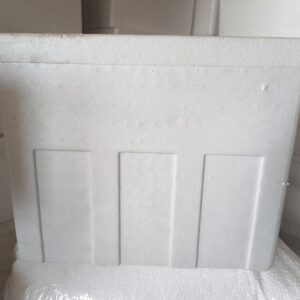
41KG STYROFOAM BOXES
Original price was: KSh 1,600.00.KSh 1,450.00Current price is: KSh 1,450.00. - Sale!

10KG STYROFOAM BOX
Original price was: KSh 650.00.KSh 500.00Current price is: KSh 500.00.




Reviews
There are no reviews yet.