
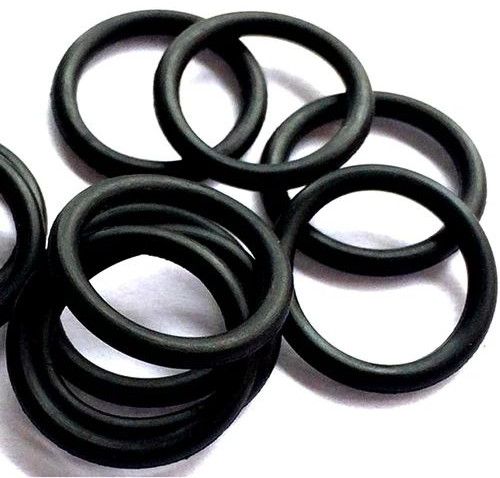
O-RINGS SEAL
O-rings are circular sealing components designed to prevent the leakage of liquids and gases between two mating surfaces. They feature a continuous, ring-shaped structure with a circular cross-section. Manufacturers produce O-rings from flexible elastomers that withstand different pressures, temperatures, and chemical environments. Consequently, these components provide reliable sealing solutions for industrial machinery, hydraulic systems, pneumatic equipment, pumps, valves, and pipe connections.
Description
Technical Description of O-Rings seal
O-rings seal are circular sealing components designed to prevent the leakage of liquids and gases between two mating surfaces. They feature a continuous, ring-shaped structure with a circular cross-section. Manufacturers produce O-rings from flexible elastomers that withstand different pressures, temperatures, and chemical environments. Consequently, these components provide reliable sealing solutions for industrial machinery, hydraulic systems, pneumatic equipment, pumps, valves, and pipe connections.
Material Composition and Types
O-ring performance depends on the material used in manufacturing. Therefore, selecting the correct elastomer helps improve sealing efficiency, durability, and resistance to operating conditions.
Common O-ring materials include:
Nitrile rubber (NBR): Provides good resistance to mineral oils, greases, and hydraulic fluids. It suits automotive systems, pumps, and general industrial machinery.
Fluorocarbon rubber (FKM): Offers excellent resistance to many oils, fuels, and elevated temperatures. It suits demanding industrial and automotive applications.
EPDM rubber: Resists water, steam within specified operating limits, weathering, and ozone. It is suitable for compatible water systems and outdoor applications but generally performs poorly with petroleum-based oils.
Silicone rubber (VMQ): Provides flexibility across a wide temperature range. It is useful in selected food-processing, medical, and general industrial applications when the grade meets the required standards.
Neoprene rubber (CR): Offers resistance to weathering, ozone, and certain oils and chemicals. It is suitable for selected refrigeration and industrial sealing applications.
PTFE: Provides excellent chemical resistance and low friction. However, it behaves differently from elastic rubber, so manufacturers often use it in specialised sealing designs.
Dimensions and Technical Specifications of o-rings seal
O-ring dimensions determine compatibility with the sealing groove and mating components. Manufacturers typically specify an O-ring using its inside diameter (ID) and cross-sectional diameter (CS). The outside diameter equals the inside diameter plus twice the cross-sectional diameter.
O-rings are available in metric and imperial sizes. For example, an O-ring with a 20 mm inside diameter and a 3 mm cross-section has a nominal outside diameter of 26 mm. However, buyers should confirm the applicable dimensional tolerances before installation.
Other important specifications include material hardness, commonly measured in Shore A; operating temperature; working pressure; chemical compatibility; and resistance to wear, compression set, and extrusion. Standard hardness grades often include 70 Shore A and 90 Shore A, although other grades are available.
Industrial Applications
O-rings support reliable sealing in numerous industrial environments. For example, hydraulic cylinders use them to control fluid leakage, while pneumatic equipment uses them to retain compressed air. Similarly, pumps and valves rely on O-rings to maintain pressure and prevent fluid loss.
In addition, O-rings seal pipe fittings, compressors, gearboxes, engine assemblies, and selected water-treatment equipment. Their compact design also makes them suitable for static seals, where components remain stationary, and dynamic seals, where parts move relative to each other.
Installation and Maintenance of o-rings seal
Correct installation improves O-ring service life. First, clean the sealing surfaces and remove sharp edges, dirt, and old sealing material. Next, inspect the O-ring for cuts, cracks, deformation, or other defects. Then, apply a compatible lubricant when required and install the ring without twisting, stretching excessively, or pinching it.
Furthermore, ensure that the groove dimensions, surface finish, and component clearances meet the manufacturer’s specifications. Excessive pressure or clearance can cause extrusion, while incompatible chemicals and high temperatures can accelerate deterioration. Therefore, inspect O-rings periodically and replace damaged or hardened components promptly.
In summary, O-rings provide compact, cost-effective sealing solutions for industrial equipment. Selecting the correct material, dimensions, hardness, and operating specifications helps minimise leakage, protect machinery, and improve operational reliability.

Reviews
There are no reviews yet.