
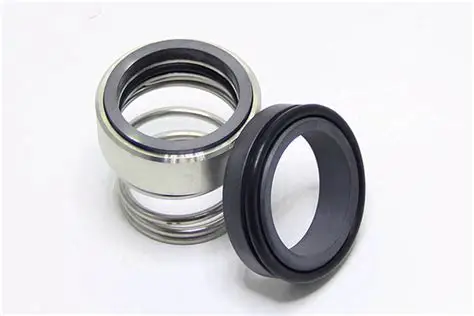
lip seals
Industrial Lip seals are mechanical sealing components designed to retain lubricants and prevent the entry of dust, dirt, water, and other contaminants into machinery. Manufacturers commonly produce them from elastomers, thermoplastics, or specialised sealing materials. They feature one or more flexible lips that maintain contact with a rotating or reciprocating shaft. Consequently, lip seals provide reliable sealing performance in pumps, gearboxes, electric motors, hydraulic equipment, and industrial machinery.
Description
Technical Description of industrial Lip Seals
Industrial Lip seals are mechanical sealing components designed to retain lubricants and prevent the entry of dust, dirt, water, and other contaminants into machinery. Manufacturers commonly produce them from elastomers, thermoplastics, or specialised sealing materials. They feature one or more flexible lips that maintain contact with a rotating or reciprocating shaft. Consequently, lip seals provide reliable sealing performance in pumps, gearboxes, electric motors, hydraulic equipment, and industrial machinery.
Types of Lip Seals
Different lip seal designs meet specific operating requirements. Therefore, selecting the correct type helps improve sealing efficiency and equipment reliability.
Radial shaft lip seals: These seals contact a rotating shaft to retain oil or grease. They commonly feature a flexible sealing lip and a metal reinforcement ring.
Single-lip seals: These seals use one primary sealing lip to retain lubricants or prevent contamination. They suit many general industrial applications.
Double-lip seals: These seals feature two lips to improve sealing performance. Depending on their design, one lip retains lubricant while the other helps exclude external contaminants.
Hydraulic lip seals: These seals operate in hydraulic cylinders and related equipment. They help contain pressurised hydraulic fluid and support reliable system operation.
Dust lip seals: These seals focus on preventing dirt, dust, and moisture from entering mechanical assemblies. Manufacturers often combine them with primary sealing elements.
Materials and Technical Specifications
Lip seal performance depends on the material, shaft dimensions, operating speed, pressure, and temperature. Common materials include nitrile rubber (NBR), fluorocarbon rubber (FKM), polyurethane (PU), and polytetrafluoroethylene (PTFE). For example, NBR offers good resistance to mineral oils and greases, while FKM suits many higher-temperature applications. However, users must confirm chemical compatibility before selecting a material.
Manufacturers specify lip seals according to shaft diameter, housing bore, seal width, and installation requirements. In addition, they consider shaft surface finish, hardness, concentricity, and rotational speed. Most conventional radial shaft lip seals operate under low pressure, so users should not assume that standard oil seals can withstand high hydraulic pressure.
Industrial Applications
Lip seals support reliable operation across several industries. For instance, manufacturers install them in gearboxes, pumps, compressors, electric motors, agricultural machinery, and automotive assemblies. Similarly, industrial maintenance teams use suitable lip seals to reduce lubricant leakage and protect bearings from contamination.
Installation and Maintenance of industrial lip seals
Proper installation extends lip seal service life. First, clean the shaft and housing bore. Next, inspect the sealing surfaces for scratches, corrosion, and excessive wear. Then, lubricate the sealing lip with a compatible lubricant and install the seal without twisting or damaging its edge.
Finally, inspect the seal regularly for leakage, hardening, cracks, and wear. Replacing damaged seals promptly helps prevent lubricant loss, bearing damage, and unexpected equipment downtime.
In conclusion, lip seals provide essential protection for rotating and reciprocating machinery. By selecting the correct design, material, and dimensions, users can improve sealing performance, minimise contamination, and maintain reliable industrial operations.

Reviews
There are no reviews yet.