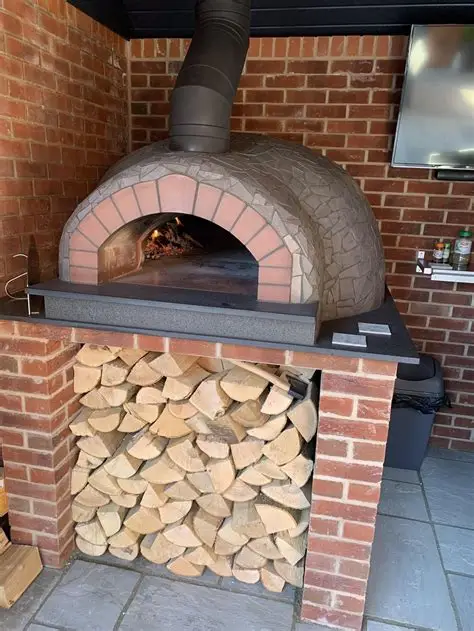
Fire Cement in Kenya – High-Temperature Refractory Cement, Types, Composition, Applications and Prices
Fire cement in kenya is a specialised heat-resistant refractory material designed to seal joints, repair cracks and withstand extremely high temperatures in furnaces, fireplaces, boilers, pizza ovens, kilns and industrial heating systems. Unlike ordinary Portland cement, fire cement uses heat-resistant mineral binders and refractory aggregates to maintain structural integrity under elevated temperatures. Consequently, it provides reliable protection against heat exposure, thermal stress and high-temperature deterioration.
At Maavaroz Industrial Limited, we supply different types of fire cement for domestic, commercial and industrial applications. Our range covers refractory materials with temperature-resistance capabilities from approximately 1,000°C to 1,750°C, depending on the formulation, refractory aggregate and intended application. Furthermore, we package our fire cement products in convenient 25 kg bags to support construction projects, industrial maintenance and bulk procurement.
Whether you are constructing a pizza oven, repairing a boiler, lining a furnace or maintaining an industrial chimney, selecting the correct refractory cement helps improve thermal performance and extend equipment service life.
Types of Fire Cement and Their Temperature Resistance
Fire cement comes in different formulations because individual heating applications require different levels of thermal protection. Therefore, buyers should consider the operating temperature, exposure conditions, refractory substrate and required mechanical strength before selecting a product.
1. Fondu Cement / Max50 – 1,000°C
KSh 4,000 per 25 kg bag
Low-temperature refractory grade
Fondu cement is a calcium-aluminate-based refractory binder formulated for heat-resistant construction and repairs. Its composition generally includes calcium aluminates, alumina and other refractory constituents. It develops strength through hydraulic setting and offers better resistance to heat than ordinary Portland cement.
It is suitable for selected fireplaces, domestic ovens, furnace repairs and moderate-temperature refractory installations.
2. Fireclay Refractory Mortar / Maxset 50 Fine – 1,500°C
MORTAR DE CIMENT REFRACTAR 1200ºC – 25kg
KSh 4,500 per 25 kg bag
Firebrick jointing and refractory bonding grade
Fireclay mortar combines refractory clay, aluminosilicate minerals and carefully graded refractory particles. Its composition typically includes alumina (Al₂O₃) and silica (SiO₂), which contribute to thermal stability and resistance to high-temperature exposure.
It is particularly suitable for joining firebricks, repairing refractory masonry, constructing fireplaces and sealing joints in kilns and pizza ovens. Its fine consistency also allows installers to achieve relatively thin, uniform joints.
3. Medium-Alumina Refractory Castable / MaxHeat K – 1,600°C
KSh 5,500 per 25 kg bag
Medium-to-high-temperature industrial grade
MaxHeat K is a medium-alumina refractory castable containing approximately 56–60% alumina, depending on the manufacturer’s formulation. It combines calcium aluminate binder with refractory aggregates and other mineral constituents.
Consequently, it provides improved resistance to thermal exposure, mechanical stress and high-temperature deterioration. It is suitable for boilers, industrial furnaces, pizza ovens, incinerators, firebrick installation and refractory lining repairs.
4. High-Alumina Refractory Castable / MaxHeat A – 1,750°C
KSh 6,500 per 25 kg bag
Premium high-temperature refractory grade
MaxHeat A is a high-alumina refractory castable formulated for demanding industrial heating environments. Its reported alumina content is approximately 85–88%, depending on the product specification. The formulation combines high-purity alumina-bearing refractory materials with a suitable calcium aluminate binder.
Furthermore, its high alumina concentration improves refractoriness, thermal stability and resistance to high-temperature chemical attack. It is suitable for industrial furnaces, high-temperature kilns, incinerators, heavy-duty boilers and specialised refractory linings.
The temperature ratings above represent product-grade or stated refractory performance limits, not a guarantee that every installation can operate continuously at those temperatures. Actual service limits depend on the complete formulation, installation thickness, curing, heating schedule and operating atmosphere. Kenyan product listings identify these four grades at approximately 1,000°C, 1,500°C, 1,600°C and 1,750°C respectively. Insulation World Kenya Limited+2
Chemical Composition of Fire Cement
Fire cement derives its heat resistance from carefully selected refractory minerals and specialised binders. Unlike ordinary construction cement, which relies mainly on Portland clinker compounds, refractory cement uses materials that retain their properties under elevated temperatures.
The chemical composition varies according to the product grade and intended operating temperature. However, most refractory cement formulations contain some of the following constituents.
1. Aluminium Oxide (Al₂O₃)
Aluminium oxide, commonly known as alumina, is one of the most important constituents of high-temperature refractory cement. It provides high refractoriness, hardness and resistance to thermal and chemical deterioration.
Furthermore, higher alumina concentrations generally improve the ability of refractory materials to withstand extreme temperatures. For instance, medium-alumina castables commonly contain approximately 56–60% alumina, while specialised high-alumina grades can contain approximately 85–90% or more. Insulation World Kenya Limited+1
2. Silicon Dioxide (SiO₂)
Silicon dioxide, also known as silica, occurs naturally in refractory clays, quartz and aluminosilicate aggregates. It contributes to thermal stability and helps develop the refractory structure.
However, manufacturers must control silica content because its behaviour changes at elevated temperatures. Therefore, the correct alumina-to-silica balance depends on the intended application and operating conditions.
3. Calcium Oxide (CaO)
Calcium oxide is an important component of calcium aluminate cement, which manufacturers use as a hydraulic binder in many refractory castables.
It facilitates setting and hardening after mixing with water. Additionally, the calcium aluminate binder helps bond refractory aggregates into a consolidated structure.
4. Iron Oxide (Fe₂O₃)
Iron oxide occurs as a natural mineral constituent or impurity in certain refractory raw materials. Its concentration affects the chemical purity and high-temperature performance of the final product.
For demanding industrial applications, manufacturers generally control iron oxide levels to minimise undesirable reactions and improve refractory performance.
5. Magnesium Oxide (MgO)
Magnesium oxide is an important refractory oxide used in specialised formulations. It offers excellent resistance to high temperatures and alkaline slag environments.
Moreover, magnesia-based refractory materials are particularly useful in selected metallurgical and industrial furnace applications.
6. Refractory Aggregates and Mineral Additives
In addition to the principal chemical compounds, manufacturers incorporate graded refractory aggregates such as fireclay, calcined alumina, chamotte, bauxite, and selected mineral additives.
These materials improve dimensional stability, mechanical strength and resistance to thermal shock. Consequently, the aggregate selection plays a significant role in determining the final operating temperature and durability of refractory cement.
Fire Cement Temperature Resistance and Industrial Performance
Temperature resistance is one of the most important factors when selecting fire cement. Nevertheless, buyers should distinguish between a material’s refractoriness, its maximum recommended service temperature and its continuous operating temperature.
For example, a refractory material may withstand a particular temperature in a laboratory test but perform differently under continuous industrial heating. Similarly, direct flame exposure, chemical attack and repeated heating and cooling can influence its service life.
The following table summarises the four principal temperature categories.
| Fire cement grade | Temperature rating | Main application |
|---|---|---|
| Fondu / Max50 | 1,000°C | Moderate-temperature repairs |
| Fireclay mortar | 1,500°C | Firebrick jointing |
| Medium-alumina castable | 1,600°C | Boilers and furnaces |
| High-alumina castable | 1,750°C | Heavy-duty industrial furnaces |
Insulation World Kenya Limited+2
Resistance to thermal shock: Fire cement must withstand temperature changes without excessive cracking or structural deterioration. Therefore, manufacturers select suitable aggregates and binders to improve thermal stability.
Mechanical strength: Refractory castables develop strength after proper mixing, placement, curing and controlled heating. Consequently, they can support refractory linings and protect underlying structures from heat exposure.
Chemical resistance: Industrial heating systems may expose refractory materials to combustion gases, alkaline substances, acidic compounds and molten materials. Therefore, the chemical composition must match the operating environment.
Dimensional stability: High-quality refractory materials maintain their shape and structural integrity under elevated temperatures. This property helps reduce shrinkage, joint failure and premature lining deterioration.
Applications of Fire Cement
Fire cement serves numerous domestic, commercial and industrial applications. Its versatility makes it an essential material for contractors, refractory installers, engineers and industrial maintenance professionals.
The main applications include:
3. Industrial furnaces: High-alumina refractory cement provides protective linings for furnaces operating under demanding thermal conditions.
4. Fireplaces and chimneys: Fireclay mortar seals joints, repairs cracks and bonds refractory bricks in fireplaces and chimney structures.
5. Incinerators: High-temperature refractory castables protect internal surfaces against combustion heat and thermal deterioration.
6. Kilns: Refractory cement supports brick installation and repairs in ceramic, pottery and industrial processing kilns.
7. Firebrick installation: Specialised refractory mortar creates heat-resistant joints between firebricks and other refractory masonry components.
Packaging and Supply Specifications
We supply fire cement in convenient 25 kg packaging bags to support different construction and industrial maintenance requirements. Furthermore, the packaging provides manageable quantities for contractors, technicians, engineers and bulk purchasers.
Secar 51 Secar 71 Secar 80 Alumina Cement Suppliers – High Quality Refractory Solution
Standard packaging: 25 kg bags
- Bag weight: 25 kg
- Packaging: Industrial-grade woven polypropylene sack, with a suitable moisture-resistant inner liner where specified.
- Product form: Dry refractory powder or graded castable.
- Storage: Dry, covered and well-ventilated warehouse.
- Handling: Keep bags sealed until use.
Proper packaging is essential because moisture can affect the setting characteristics and performance of hydraulic refractory binders. Therefore, users should store unopened bags away from water, excessive humidity and direct exposure to weather.
Fire Cement Prices in Kenya
The following is the proposed product pricing structure for 25 kg bags, covering different refractory grades and temperature requirements.
| Product | Temperature | Packaging | Price (KSh) |
|---|---|---|---|
| Fondu / Max50 | 1,000°C | 25 kg | 4,000 |
| Fireclay mortar | 1,500°C | 25 kg | 4,500 |
| MaxHeat K | 1,600°C | 25 kg | 5,500 |
| MaxHeat A | 1,750°C | 25 kg | 6,500 |
Pricing note: These are suggested selling prices within your specified KSh 4,000–6,500 range, not independently verified live quotations. Confirm actual procurement costs and product specifications before publishing them as firm prices.
How to Select the Right Fire Cement
Selecting the correct refractory cement requires an understanding of the operating conditions and the material’s intended purpose. Therefore, consider the following factors before purchasing:
- Operating temperature: Select a grade with an appropriate service-temperature rating and sufficient safety margin.
- Application method: Determine whether you need refractory mortar for brick joints or a castable for constructing and repairing thicker linings.
- Chemical exposure: Consider combustion gases, slags and other chemicals that may interact with the refractory lining.
- Thermal cycling: Assess whether the equipment experiences frequent heating and cooling.
- Mechanical requirements: Consider compressive strength, abrasion resistance and the weight supported by the lining.
- Installation requirements: Follow the manufacturer’s instructions for water content, mixing, curing, drying and initial firing.
Importantly, a 1,750°C-rated cement is not automatically the best option for every application. Instead, match the refractory grade to the actual operating environment and engineering requirements.
Installation, Curing and Safety Considerations
Proper installation determines how effectively fire cement performs. First, remove loose material, dust, grease and other contaminants from the application surface. Next, prepare the refractory mixture according to the manufacturer’s recommended water-to-product ratio.
For castable refractory cement, mix thoroughly to achieve a uniform consistency without adding excessive water. Then place and compact the material properly to minimise air pockets and weak sections.
After installation, allow the material to cure and dry according to its technical data sheet. Furthermore, follow the recommended controlled heating schedule to remove residual moisture and develop the required refractory properties.
Never expose newly installed refractory castable to intense heat before completing the recommended drying and initial firing procedure. Rapid heating can cause steam pressure, cracking and potentially explosive spalling.
Operators should also wear appropriate protective gloves, safety goggles and respiratory protection when handling dry refractory powders. Additionally, avoid inhaling cement dust and follow the manufacturer’s safety data sheet.
Why Choose Quality Refractory Cement?
Quality fire cement provides an important protective barrier between high-temperature processes and surrounding structures. Moreover, selecting the correct formulation helps reduce premature refractory failure, minimise maintenance interruptions and improve the reliability of industrial heating equipment.
Whether you require fireclay mortar for brickwork, medium-alumina castable for boiler repairs or high-alumina refractory cement for industrial furnaces, selecting the appropriate grade is essential.
We cater to domestic, commercial and industrial requirements with different refractory grades supplied in 25 kg bags. Our product range serves pizza oven construction, boiler maintenance, furnace installation, kiln repairs and other high-temperature engineering applications.
Contact Maavaroz Industrial Limited for fire cement in Kenya, including technical specifications, availability, bulk supply and quotations for your refractory installation or maintenance project.