Necessities of EPS Styrofoam Boxes: Importance, Applications and Benefits of Expanded Polystyrene (EPS) Packaging
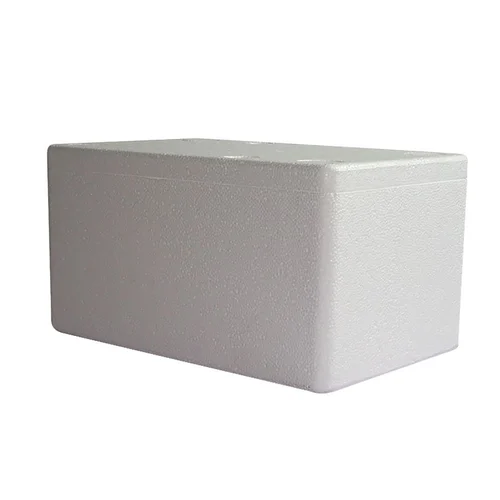
EPS Styrofoam play an essential role in modern packaging, food preservation, cold-chain transportation and temperature-controlled storage. Manufacturers, food distributors, pharmaceutical companies, fisheries and agricultural businesses rely on these insulated containers to protect temperature-sensitive products during handling, storage and transportation. In particular, EPS Styrofoam boxes provide a practical and cost-effective packaging solution because they combine lightweight construction, thermal insulation, cushioning and convenience.
Expanded Polystyrene (EPS) forms the foundation of these boxes. This lightweight cellular material contains numerous small air pockets that restrict heat transfer. Consequently, EPS boxes help maintain internal temperatures for extended periods when users combine them with appropriate cooling materials such as ice packs or dry ice. Moreover, their rigid structure protects packaged products against physical damage during transportation.
1. Food Preservation and Temperature Control
One of the primary necessities of Styrofoam boxes is food preservation. Fresh food products, including fish, meat, poultry, dairy products and vegetables, require appropriate temperature management to maintain their quality and safety.
EPS insulated boxes help reduce heat exchange between the external environment and their contents. Therefore, they support the transportation and temporary storage of perishable food products under controlled conditions.
Furthermore, businesses can use Styrofoam boxes alongside ice, gel packs or dry ice, depending on the required temperature and application. This combination makes EPS packaging particularly useful for fish suppliers, butcheries, supermarkets, restaurants and food distributors.
2. Cold-Chain Transportation
Cold-chain transportation requires reliable packaging that helps maintain product temperatures throughout distribution. However, temperature fluctuations can compromise sensitive products during loading, transportation and delivery.
Fortunately, Styrofoam boxes provide an additional layer of thermal protection. Their insulating properties help slow down temperature changes, while their lightweight construction makes transportation easier.
Consequently, fish distributors, meat processors, pharmaceutical suppliers and food delivery businesses use EPS boxes to support temperature-controlled logistics.
3. Dry Ice Storage and Transportation
Dry ice requires suitable insulated packaging because it continuously changes from solid carbon dioxide into gas through sublimation. Therefore, customers need containers that slow down heat absorption while allowing carbon dioxide gas to escape safely.
EPS Styrofoam boxes provide useful thermal insulation for dry ice transportation and temporary storage. In addition, customers can combine them with appropriate packaging arrangements to transport frozen products, biological samples and other temperature-sensitive materials.
However, users must never seal dry ice inside airtight containers because accumulating carbon dioxide gas can create dangerous pressure.
4. Protection of Fish and Seafood
Fish and seafood products deteriorate rapidly when they experience unsuitable temperatures. For this reason, seafood distributors require dependable packaging that supports temperature management during transportation.
Styrofoam fish boxes help protect fresh fish, prawns, crabs and other seafood products. Moreover, their insulating structure helps reduce the rate of heat penetration when users apply sufficient ice and follow appropriate handling procedures.
As a result, fisheries, fish markets, seafood exporters and distributors benefit from EPS packaging when transporting perishable seafood.
5. Pharmaceutical and Medical Applications
Certain pharmaceutical products, laboratory materials and medical supplies require controlled temperatures during transportation. Therefore, insulated packaging plays an important role in protecting temperature-sensitive consignments.
EPS boxes provide a lightweight insulating enclosure that businesses can use with suitable refrigerants and validated temperature-control arrangements.
For instance, pharmaceutical distributors can use appropriately qualified EPS packaging systems to transport certain vaccines, diagnostic materials, biological samples and temperature-sensitive medicines.
Nevertheless, the packaging must meet the product’s specified temperature requirements. Furthermore, businesses should use temperature monitoring where necessary.
6. Agricultural Produce Transportation
Agricultural products require careful handling after harvesting because exposure to excessive heat can accelerate deterioration. Consequently, farmers, horticultural exporters and produce distributors need packaging that helps protect their products during transportation.
EPS boxes offer lightweight cushioning and thermal insulation for selected agricultural products. Additionally, their rigid walls help reduce compression and physical damage during handling.
Therefore, businesses can use suitable Styrofoam packaging for fruits, vegetables, seedlings and other delicate agricultural materials.
7. Protection of Fragile and Sensitive Products
Beyond temperature control, Styrofoam boxes provide physical protection. Their cellular structure absorbs and distributes certain mechanical impacts, thereby reducing the likelihood of damage during handling.
For example, manufacturers and distributors can use EPS packaging to protect delicate equipment, laboratory materials, electronic components and other fragile products.
Furthermore, their lightweight construction reduces unnecessary packaging weight without compromising their usefulness as protective containers.
8. Ice Cream and Frozen Food Distribution
Ice cream manufacturers, distributors and retailers require effective insulation to protect frozen products during transportation and temporary storage.
EPS Styrofoam boxes help slow down external heat penetration. Consequently, they provide a practical packaging option for ice cream tubs, frozen foods and other temperature-sensitive products.
Moreover, businesses can combine these boxes with suitable cooling materials to support distribution over longer distances. However, users must maintain the required storage temperatures throughout the supply chain.
9. Cost-Effective Packaging and Transportation
Packaging costs influence the profitability of distribution businesses. Therefore, companies need containers that offer reliable protection without introducing excessive transportation expenses.
EPS Styrofoam boxes provide several economic advantages. First, their lightweight construction reduces the additional weight associated with packaging. Secondly, their insulating properties support temperature-controlled transportation. Thirdly, their availability in different capacities allows customers to select suitable sizes for different applications.
Additionally, businesses can reuse structurally sound boxes for appropriate applications, provided they maintain cleanliness and hygiene standards.
10. Customised Packaging for Different Capacities
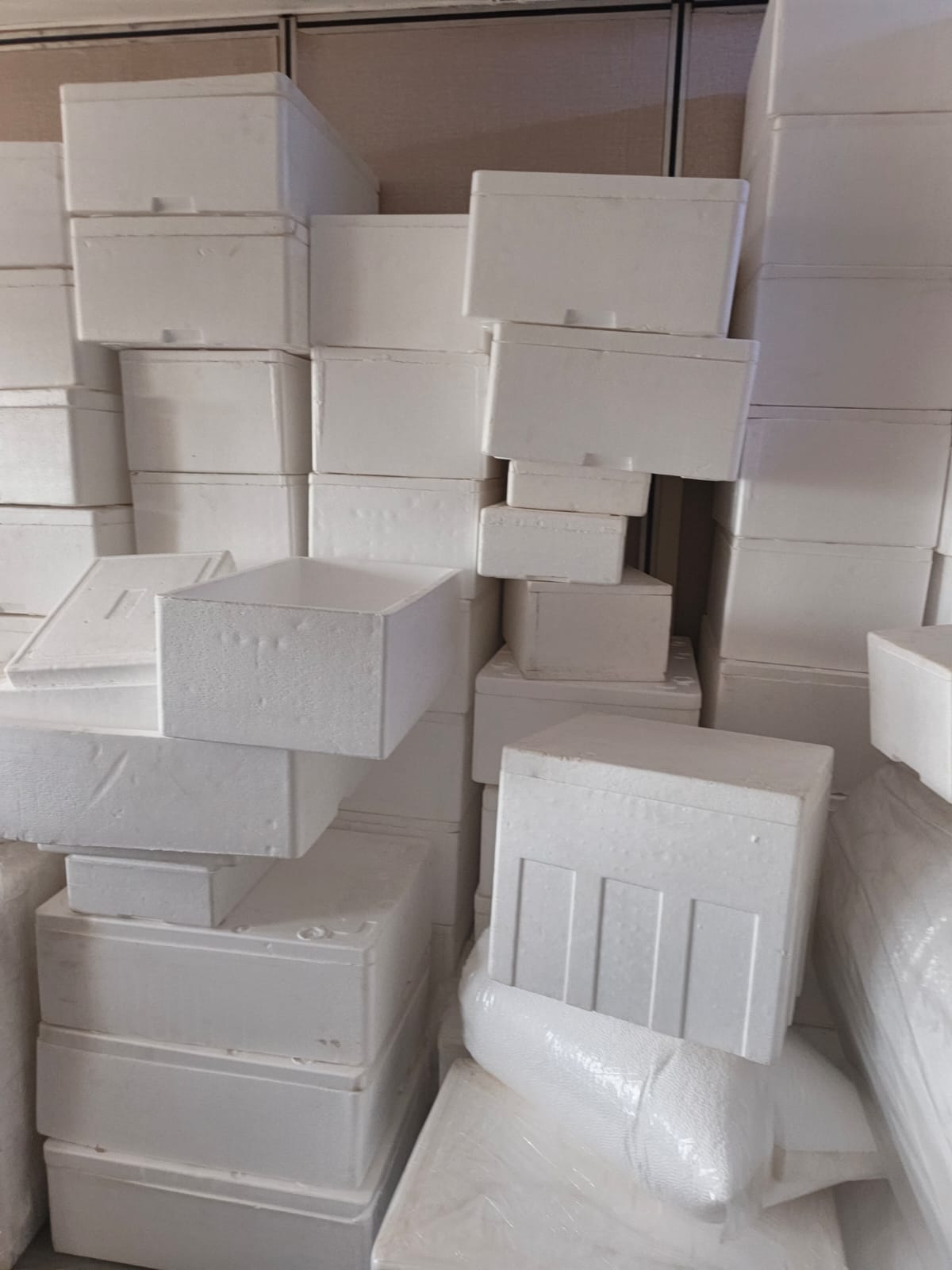
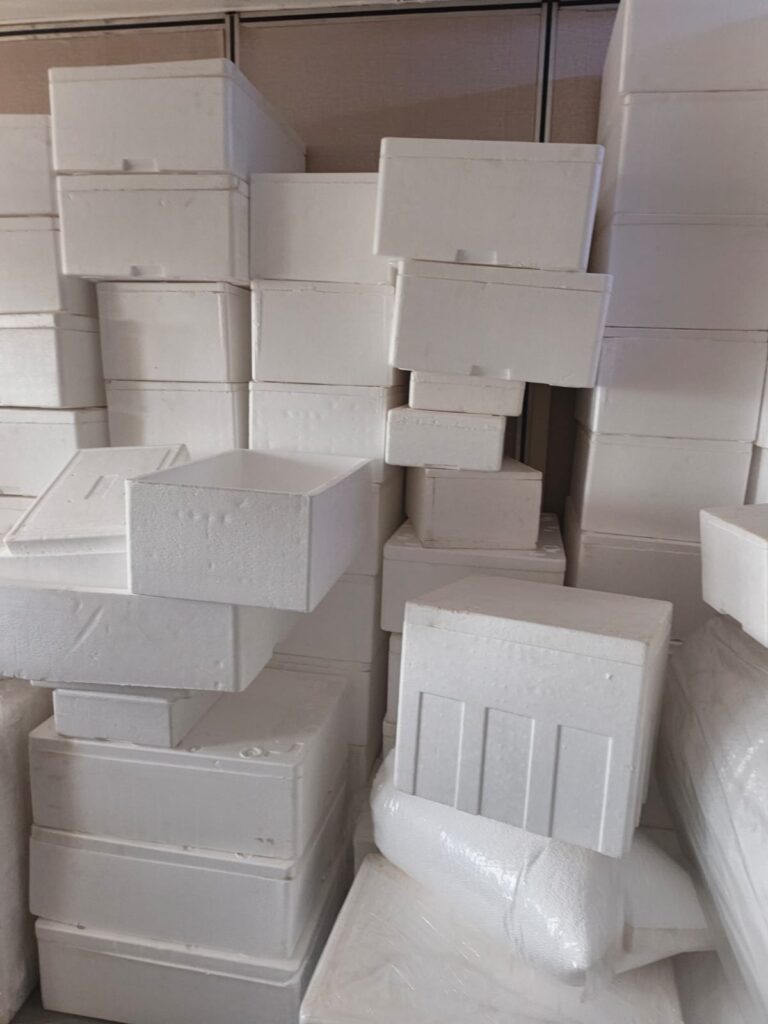
Different products require different packaging capacities. Consequently, EPS Styrofoam boxes come in various dimensions and carrying capacities to accommodate different storage and transportation requirements.
For example, smaller boxes suit compact food deliveries and laboratory materials, while larger boxes accommodate substantial quantities of fish, meat and other perishable products.
Therefore, selecting the correct box requires consideration of internal dimensions, external dimensions, wall thickness, product weight and the quantity of cooling material required.
Why Choose EPS Styrofoam Boxes?
EPS packaging offers several important advantages:
- Thermal insulation: Helps reduce heat transfer and maintain internal temperatures.
- Lightweight construction: Makes handling, loading and transportation easier.
- Impact protection: Helps cushion products against certain mechanical shocks.
- Moisture resistance: EPS absorbs relatively little water, although it is not completely waterproof.
- Versatile applications: Supports food packaging, cold-chain logistics, pharmaceuticals and industrial applications.
- Different capacities: Accommodates varying product sizes and transportation requirements.
- Cost efficiency: Provides practical insulation without excessive packaging weight.
- Reusability: Allows repeated use where the box remains clean, intact and suitable for the intended application.
Choosing the Right Eps Styrofoam Box
Before purchasing an EPS Styrofoam box, customers should evaluate several technical considerations. First, determine the required internal storage dimensions because these determine the actual usable space. Next, examine the external dimensions to establish transportation and stacking requirements.
Additionally, consider wall thickness because it influences insulation performance and structural strength. Furthermore, assess the intended application, product weight, expected transportation duration and required temperature range.
Most importantly, customers should select an appropriate cooling arrangement because an insulated box alone does not generate cold temperatures.
Conclusion
Styrofoam boxes have become important packaging solutions across food processing, fisheries, agriculture, pharmaceuticals, catering and cold-chain transportation. Their lightweight construction, thermal insulation, protective structure and versatility make them valuable for businesses that handle temperature-sensitive and fragile products.
Whether you need to transport fresh fish, preserve frozen food, distribute ice cream, package laboratory materials or handle dry ice, EPS Styrofoam boxes provide a practical packaging option.
Looking for quality EPS Styrofoam boxes in Kenya? Maavaroz Industrial Limited supplies insulated Styrofoam boxes in different capacities to support food preservation, cold-chain transportation and commercial packaging requirements. Contact us for suitable box sizes, specifications and competitive prices.