
DRY ICE IN KENYA
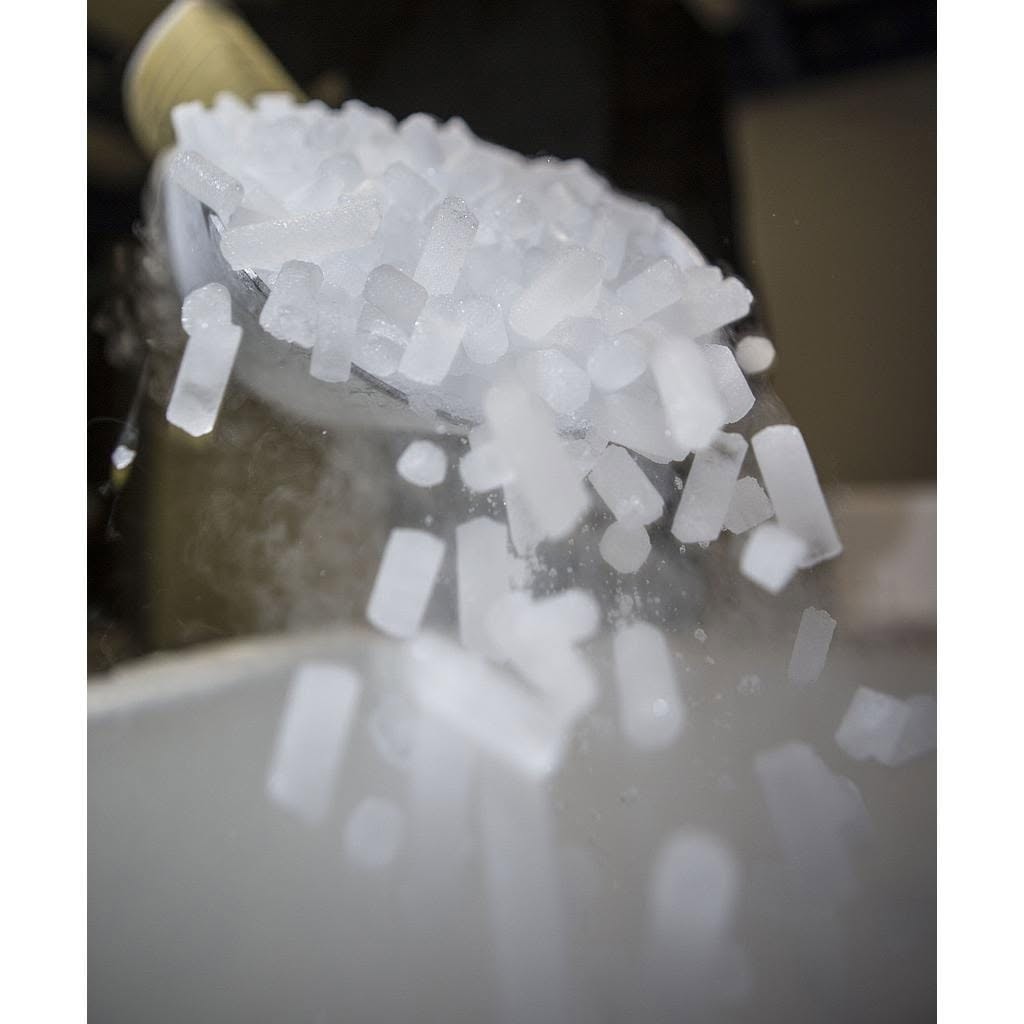
Dry ice is a solid form of carbon dioxide (CO₂). It provides powerful cooling without producing liquid water. Therefore, many industries use dry ice for cooling, storage, transportation, and cleaning. It offers an effective alternative to conventional ice in applications that require low temperatures.
Description
Dry Ice In Kenya: Uses, Benefits, and Industrial Applications
Dry ice in kenya is the solid form of carbon dioxide (CO₂), a colourless, odourless gas that becomes solid at approximately −78.5°C under normal atmospheric pressure. Unlike ordinary ice, dry ice does not melt into liquid water. Instead, it undergoes sublimation, changing directly from a solid into a gas. Therefore, it provides effective cooling without leaving liquid residue. Dry ice is available in several forms, including pellets, blocks, slices and nuggets, depending on the intended application. Moreover, its extremely low temperature makes it suitable for temperature-sensitive storage, industrial cooling, laboratory applications and specialised cleaning processes. However, users must handle dry ice with appropriate protective equipment because direct contact can cause severe cold burns and frostbite.
Common Uses of Dry Ice
Dry ice serves various industries, including food processing, pharmaceuticals, logistics, manufacturing and scientific research. For example, businesses use it to transport frozen foods, biological samples and temperature-sensitive products while maintaining a controlled cold environment. In addition, dry ice blasting uses pressurised carbon dioxide pellets to remove grease, dirt, paint residues and industrial contaminants from compatible surfaces without introducing water or conventional abrasive media. Its rapid sublimation also reduces post-cleaning waste. Nevertheless, proper ventilation remains essential because sublimated carbon dioxide can displace oxygen in enclosed spaces. Furthermore, users should store dry ice in insulated, ventilated containers rather than airtight vessels, as gas pressure can build up and cause the container to rupture. Consequently, dry ice offers an efficient cooling and cleaning solution when users follow the correct storage, transportation and handling procedures.
Dry ice also supports industrial cleaning. Some businesses use dry ice blasting to remove dirt, grease, and residues from machinery. This method uses specialised equipment to project dry ice particles onto surfaces. Consequently, it can reduce the need for water and certain cleaning chemicals.
Benefits of Dry Ice
Dry ice offers several practical advantages. First, it provides very low temperatures for demanding cooling tasks. Second, it leaves no liquid residue after sublimation. Therefore, it helps keep packaging and surrounding areas dry.
Furthermore, dry ice supports the transportation of frozen goods over long distances. It can also help businesses maintain suitable temperatures when conventional refrigeration is unavailable. However, users must select the correct quantity and packaging for each application.
Supply and Storage
Businesses should purchase dry ice from reliable suppliers. They should also choose the correct form, such as pellets, blocks, or slices. Each form suits different applications and equipment.
However, dry ice requires careful handling. Always use insulated gloves and suitable protective equipment. Store it in a well ventilated area inside a container designed for dry ice. Never place it in an airtight container because carbon dioxide gas can build up pressure. In addition, avoid direct contact with skin and prevent carbon dioxide from accumulating in enclosed spaces.
Dry ice can support food distribution, laboratory operations, industrial cleaning, and specialised cold chain services. Therefore, businesses in Kenya can explore its use where reliable low temperature cooling is essential.
Before purchasing, confirm the available quantities, product form, delivery arrangements, and current prices. Also, discuss your application with the supplier to determine the most suitable option.
Dry ice provides an effective cooling solution when businesses handle and store it correctly. With proper planning, it can help protect temperature sensitive products and improve specialised industrial processes.








Reviews
There are no reviews yet.