Refractory Materials – High-Temperature Industrial Protection Solutions
Refractory materials play an essential role in industrial processes that involve extremely high temperatures. These specialised heat-resistant materials protect equipment, structures and working surfaces from thermal damage, chemical attack and mechanical stress. Manufacturers design refractory products to withstand demanding operating conditions while maintaining structural stability and thermal performance. Consequently, industries rely on refractory materials to improve equipment durability, operational safety and production efficiency.
Types of Refractory Materials
Refractory materials come in different forms to accommodate specific industrial applications. Common categories include:
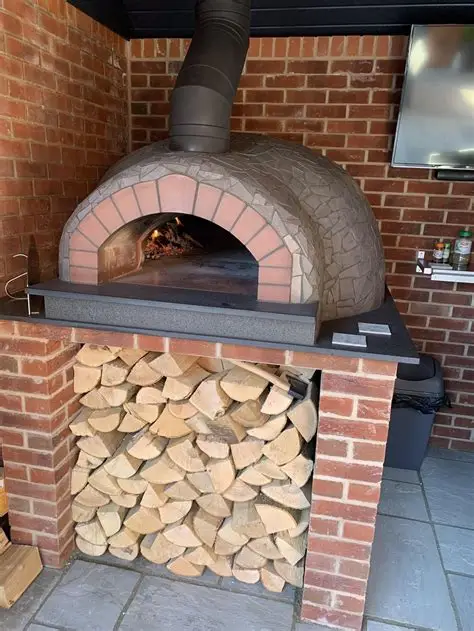
- Fire Bricks: Dense, heat-resistant bricks that line pizza ovens, furnaces, boilers, kilns and fireplaces.
- Fire Cement: A heat-resistant bonding and jointing material used to install fire bricks and seal high-temperature joints.
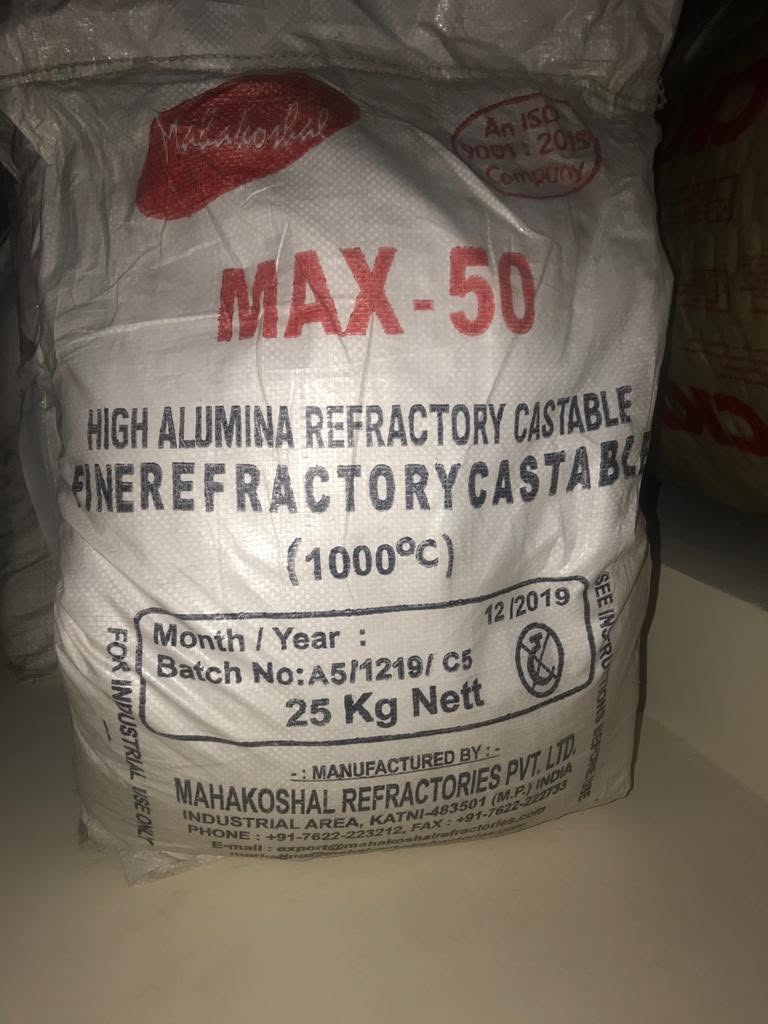
- Castable Refractories: Specialised refractory mixtures that users apply by casting or pouring to create seamless heat-resistant linings.
- Ceramic Fibre Blankets: Lightweight insulating materials that minimise heat loss in furnaces, boilers and industrial heating equipment.
- Refractory Mortar: A specialised bonding material that joins refractory bricks and maintains stable masonry structures.
- Insulating Fire Bricks: Lightweight refractory blocks that reduce heat transfer while providing thermal protection.
Industrial Applications of Refractory Materials
Refractory materials support several industrial and commercial operations. For example, cement manufacturers use refractory linings to protect rotary kilns against intense heat and chemical exposure. Similarly, steel manufacturers install refractory products in furnaces, ladles and other high-temperature processing equipment. Moreover, bakeries and restaurants use fire bricks and refractory cement to construct durable pizza ovens and commercial baking chambers.
Boiler operators also use refractory materials to protect combustion chambers and other heat-exposed surfaces. Additionally, manufacturers apply ceramic fibre insulation to improve thermal efficiency and minimise unnecessary energy losses.
Choosing the Right Refractory Material
Selecting suitable refractory materials requires careful consideration of operating temperature, thermal conductivity, chemical resistance and mechanical strength. Therefore, businesses should match each material to its intended application and installation requirements. Proper installation also improves service life and reduces maintenance costs.
Quality Refractory Materials in Kenya