O-RINGS SEAL
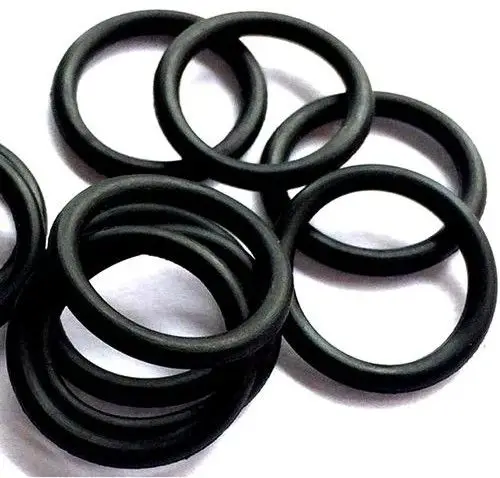
O-rings are circular sealing components designed to prevent the leakage of liquids and gases between two mating surfaces. They feature a continuous, ring-shaped structure with a circular cross-section. Manufacturers produce O-rings from flexible elastomers that withstand different pressures, temperatures, and chemical environments. Consequently, these components provide reliable sealing solutions for industrial machinery, hydraulic systems, pneumatic equipment, pumps, valves, and pipe connections.
Description
O-Rings: Technical Introduction, Applications, Materials and Industrial Sealing Solutions
O-rings are essential industrial sealing components designed to prevent the leakage of liquids, gases, steam and other fluids within mechanical systems. They provide reliable sealing solutions across manufacturing, engineering, automotive, construction, chemical processing and power generation industries. Due to their simple design, versatility and effective sealing performance, O-rings remain among the most widely used sealing accessories in industrial applications.
An O-ring consists of a circular elastomeric ring with a round cross-section. Manufacturers produce these components from different rubber compounds to withstand varying operating temperatures, pressures, chemicals and mechanical conditions. Furthermore, their compact construction allows engineers to incorporate them into relatively small spaces without compromising sealing efficiency.
How O-Rings Work
O-rings operate through controlled compression between two mating surfaces. During installation, the ring fits into a specially designed groove within a housing, flange, cylinder or mechanical assembly. When technicians tighten the assembly, the surrounding surfaces compress the O-ring and create a sealing contact.
Consequently, the compressed material fills microscopic gaps between the mating surfaces. This prevents fluids and gases from escaping while also restricting external contaminants from entering the system.
Moreover, O-rings support both static and dynamic sealing applications. Static O-rings seal stationary connections, including pipe joints, flange connections and equipment housings. In contrast, dynamic O-rings maintain sealing contact between moving components, such as hydraulic pistons, pneumatic cylinders and rotating machinery.
Common O-Ring Materials
Material selection determines the chemical compatibility, temperature resistance, durability and overall performance of an O-ring. Therefore, engineers must consider the operating environment before selecting a suitable rubber compound.
Common materials include:
Nitrile Rubber (NBR): Offers excellent resistance to petroleum-based oils, fuels and hydraulic fluids. Consequently, manufacturers widely use NBR O-rings in automotive systems, hydraulic equipment and industrial machinery.
Viton (FKM): Provides excellent resistance to high temperatures, oils, fuels and many aggressive chemicals. It is particularly suitable for demanding industrial and chemical processing environments.
Silicone Rubber (VMQ): Offers excellent flexibility and temperature resistance. Furthermore, silicone O-rings support food processing, pharmaceutical and specialised industrial applications when the compound meets the relevant requirements.
EPDM Rubber: Provides excellent resistance to water, steam, weathering, ozone and many dilute acids and alkalis. Therefore, EPDM is suitable for water systems, steam applications and outdoor equipment.
Neoprene (CR): Provides good resistance to weathering, ozone, moderate oils and certain chemicals. Manufacturers use it in refrigeration, industrial equipment and general sealing applications.
PTFE: Offers excellent chemical resistance, low friction and broad temperature compatibility. However, PTFE is less elastic than conventional rubber compounds and often requires specialised sealing designs.
Industrial Applications of O-Rings
O-rings serve numerous industries because they provide dependable sealing performance in different operating environments.
O-rings support sealing requirements in selected boiler accessories, valves, pumps and auxiliary equipment. In addition, specially selected steam-compatible compounds help prevent leakage in systems exposed to elevated temperatures and pressure. However, engineers must verify the material’s steam compatibility and operating limits before installation.
2. Hydraulic and Pneumatic Systems
Hydraulic machinery relies on O-rings to prevent oil leakage around pistons, cylinders, valves and pump assemblies. Similarly, pneumatic equipment uses them to maintain compressed-air pressure and prevent air loss.
3. Pumps and Industrial Machinery
Industrial pumps use O-rings to seal casing joints, mechanical connections, covers and selected rotating equipment components. Consequently, appropriate O-ring selection improves equipment reliability and reduces fluid losses.
4. Automotive and Mechanical Engineering
Automotive manufacturers incorporate O-rings into fuel systems, engines, cooling circuits, air-conditioning equipment and transmission assemblies. They help maintain fluid containment while protecting sensitive mechanical components.
5. Chemical Processing and Manufacturing
Chemical processing facilities require sealing components that can withstand exposure to acids, alkalis, solvents, oils and other industrial substances. Therefore, chemical compatibility remains a critical consideration when selecting O-ring materials.
6. Water Treatment and Plumbing
O-rings support sealing applications in water pumps, filtration equipment, valves, pipe fittings and treatment installations. EPDM and other compatible compounds are particularly useful in water-handling systems.
Factors to Consider When Selecting O-Rings
Although O-rings have a relatively simple design, incorrect selection can result in leakage, premature deterioration and equipment failure. For this reason, consider the following technical specifications before purchasing:
Internal diameter: Determines the size of the opening within the O-ring.
Cross-sectional diameter: Determines the thickness of the circular rubber section.
Material composition: Must match the operating fluid and environmental conditions.
Operating temperature: Determines whether the material can withstand continuous or intermittent heat exposure.
Operating pressure: Influences the required sealing design, hardness and potential need for anti-extrusion backup rings.
Chemical compatibility: Prevents swelling, cracking, softening and chemical degradation.
Hardness rating: Usually expressed in Shore A, indicating the resistance of the rubber compound to indentation.
Installation conditions: Groove dimensions, surface finish, compression and lubrication influence sealing performance.
Importance of Proper Installation and Maintenance
Proper installation significantly influences O-ring performance and service life. First, technicians should inspect the sealing groove and mating surfaces for scratches, corrosion, dirt and sharp edges. Next, they should confirm that the selected O-ring matches the specified dimensions and material requirements.
Furthermore, technicians should apply a compatible installation lubricant where necessary to minimise friction and prevent twisting or damage. They should also avoid excessive stretching, over-compression and incorrect positioning.
Regular inspections help identify hardening, cracking, swelling, flattening and other signs of deterioration. Therefore, replacing damaged O-rings during scheduled maintenance can prevent unexpected equipment downtime and costly leakage incidents.
Conclusion
O-rings provide practical, economical and reliable sealing solutions for industrial equipment, boilers, steam systems, hydraulic machinery, pumps and chemical processing installations. Their effectiveness, however, depends on selecting the correct dimensions, rubber compound and operating specifications.
For industrial buyers, maintenance engineers and equipment operators, understanding O-ring materials and applications makes it easier to identify suitable sealing components for different operational requirements.
Maavaroz Industrial Limited supports industrial sealing and maintenance requirements through solutions for boilers, steam pipelines, industrial machinery and related engineering applications.
SEO information
SEO title: O-Rings: Types, Materials, Uses and Industrial Applications
Focus keyphrase: O-rings
Meta description: Explore industrial O-rings, their materials, types, sealing mechanisms and applications in boilers, pumps, hydraulic systems and machinery.





Reviews
There are no reviews yet.